RoRo Car Shipping from Dubai, UAE
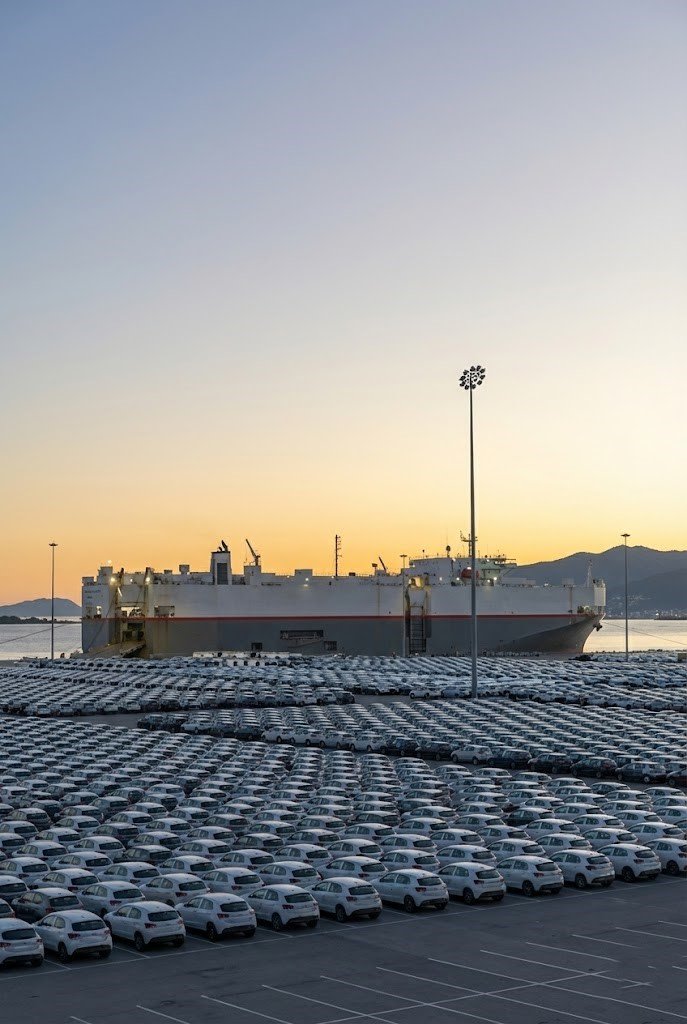
RoRo (roll-on/roll-off) car shipping from Dubai is a simple sea freight method where vehicles are driven onto a RoRo vessel and driven off at the destination port.
It is best suited for standard, drivable cars and SUVs moving port-to-port on established trade routes. Sailing schedules and vehicle eligibility can vary by port and route. Our team guides you through documentation, insurance options, and provides shipment updates throughout the process.
Dedicated Container
- Protection A fully enclosed container reduces exposure.
- Speed Standard sea transit time.
- Scheduling More controlled and predictable.
- Vehicle eligibility Most vehicle types accepted.
- Best for Luxury, classic, or high-value cars.
Shared Container
- Protection Enclosed shared container space.
- Speed Slower due to consolidation.
- Scheduling Depends on container fill.
- Vehicle eligibility Most standard vehicles.
- Best for Standard vehicles requiring enclosed protection.
RoRo (Roll-on / Roll-off)
- Protection Open handling environment.
- Speed Faster port handling.
- Scheduling Fixed vessel schedules.
- Vehicle eligibility Drivable, standard vehicles only.
- Best for Operational vehicles on frequent trade routes.
Is RoRo Shipping Right for Your Vehicle?
Best for:
Standard, drivable cars and SUVs in running condition
Customers looking for straightforward port-to-port sea freight
Vehicles moving on frequent international trade routes from Dubai
Some larger wheeled vehicles (possibility subject to vessel and route eligibility)
Not for:
High-value, luxury, or classic cars requiring sealed protection. Check our container shipping option instead.
Non-drivable vehicles, unless eligibility is confirmed in advance
Shipments that include personal belongings inside the vehicle (often restricted)
How RoRo Car Shipping Works
Eligibility Check & Quote
Before we begin, we will assess whether your vehicle is eligible for RoRo shipping. Standard drivable cars and SUVs usually meet the criteria, but larger vehicles or non-drivable ones may require special confirmation. Route availability, vessel schedules, and timing all influence eligibility. Once confirmed, we provide a personalised quote that reflects your specific vehicle and route.
Port Delivery & Handover
You will bring your vehicle to the departure port or terminal, or we may arrange pickup depending on your route. Our team provides clear instructions on where and when to deliver your car, helping avoid delays.
Condition Notes & Terminal Processing
At the terminal, condition notes are recorded to document your vehicle’s state before shipping. This helps reduce disputes and ensures transparency. While photo reports are not always mandatory, they can help reduce disputes. Terminal staff handles the vehicle during processing, so careful handover is essential.
Documentation Handover & Booking Confirmation
Shipping documents, including the Bill of Lading and customs paperwork, are submitted. Export or import requirements vary by destination, so it is important to have all documents in order. Once submitted, your booking is confirmed, locking in your vessel’s schedule.
Vessel Loading & Transit
Vehicles are directly driven onto the RoRo vessel by port staff according to a set schedule. They remain on deck or in designated spaces throughout transit. Schedules depend on vessel departures and port availability, so timing is planned in advance.
Unloading, Clearance Support & Collection/Delivery
At the destination port, vehicles are carefully driven off. Customs clearance varies by emirate or country, and our team can provide guidance to navigate inspections, duties, and registration requirements. Once cleared, your vehicle is ready for collection or onward delivery.
Export vs Import — What Changes with RoRo Shipping?
Shipping a vehicle via RoRo involves slightly different steps depending on whether you are exporting from or importing to the UAE. Understanding these differences helps you plan ahead and avoid surprises.
Export from the UAE by RoRo
When exporting, vehicles are delivered to a UAE port or terminal, such as Jebel Ali, along with the required documentation, such as proof of ownership and customs forms. Timing depends on vessel schedules, cut-offs, and route availability, while destination requirements vary by country, so proper preparation is key. Our team can guide you through the documentation checklist and coordinate vessel bookings to make the process as seamless as possible.
View Export Documents GuideImport to the UAE by RoRo
For imports, the vehicle arrives at the UAE port, where customs clearance, inspections, testing, and registration may be required depending on the emirate and vehicle type. Duties and fees also vary by shipment, so planning ahead is essential. Accurate documentation, condition notes, and proactive coordination help reduce delays and ensure your vehicle is cleared efficiently. Our team provides guidance on handling, eligibility, and necessary paperwork throughout the process to keep your shipment on track from origin to arrival in the UAE.
Disclaimer: Requirements differ by origin, destination, emirate, and RoRo vessel rules. Always confirm specifics before shipping.
RoRo Handling, Safety & Risk Considerations
RoRo car shipping involves open handling at port terminals, where vehicles are driven onto and off the vessel rather than being placed inside a sealed container. This method is designed for efficiency on established trade routes; however, it is important to understand that the level of protection differs from that of container shipping. To manage this, the process focuses on clear documentation, structured terminal handling, and planning at every stage of the journey.
RoRo is well-suited for many standard, drivable vehicles, while customers shipping high-value cars often consider container shipping for added protection. With the right preparation and optional insurance coverage, RoRo remains a practical and reliable solution for eligible vehicles moving to or from Dubai.
Inspection Stance
Condition notes taken at handover help establish the vehicle’s recorded state before shipment.
Secure Handling
Vehicles are driven, positioned, and managed by trained terminal staff following port procedures.
Insurance Options
Optional coverage is available for additional protection during transit.
Damage Mitigation
Supervised terminals and clear handover steps reduce unnecessary handling risks.
Documents Typically Required for RoRo (Varies by Route)
Paperwork is one of the most common reasons shipments get delayed. That is why we review your documents in advance, before your vehicle is handed over at the port. While requirements vary by origin, destination, and RoRo vessel rules, the documents below are commonly requested for roll-on/roll-off car shipping from Dubai.
Passport or ID Copy
Identification of the shipper and, where required, the receiver.
Vehicle Title or Registration
Proof of ownership based on the country of export.
Invoice or Proof of Value
May be required for customs declaration purposes.
Bill of Lading
Issued after departure as the official shipping document.
Export/Import Paperwork
Country-specific customs forms and approvals.
Ports, RoRo Schedules & Transit Timing
Port Operations
RoRo availability is route-dependent, which means not every destination is served by every vessel. From Dubai, shipments often move through major ports such as Jebel Ali in Dubai or Zayed Port in Abu Dhabi, depending on the trade lane and carrier schedule. Since RoRo vessels operate on fixed sailing schedules, timing is typically planned around departure windows and port cut-off dates.
Transit Timing
Transit time can vary based on several factors, such as the sailing frequency, distance between ports, transshipment stops, port congestion, and customs clearance at the destination. Weather conditions and peak shipping seasons may also influence overall timing.
Route Planning
Since RoRo follows established maritime routes, it works best on corridors with regular vessel movement. Before booking, we confirm route availability and expected transit windows so you can plan accordingly.
What Affects RoRo Shipping Quote?
Route & Shipping Corridor
Demand and sailing frequency on a specific trade lane affect availability and planning. Well-served routes may have more consistent vessel schedules.
Vehicle Size & Classification
Larger vehicles, such as SUVs or specialty wheeled units, take up more deck space than standard sedans, which influences how they are accommodated onboard.
Terminal & Handling Requirements
Port operations include receiving, staging, moving, and preparing the vehicle for loading and discharge at both origin and destination terminals.
Service Scope (Port-to-Port vs. Extended Delivery)
Delivering and collecting at the port is the standard model, while additional inland coordination—where available—adds logistical layers.
Insurance Options
Optional coverage selections provide added protection and are tailored to the shipment’s needs and route conditions.
Seasonality & Shipping Demand
Peak periods, vessel capacity, and operational cycles can influence scheduling flexibility and overall shipment planning.
Popular Export Routes
Popular Import Routes
Common Concerns About RoRo Shipping
Is RoRo safe for valuable cars?
RoRo is widely used to transport many types of vehicles safely across international routes, especially standard, operational cars. However, because vehicles are shipped in an open deck environment rather than inside a sealed container, the level of enclosure differs. For high-value, luxury, or classic vehicles that require added protection, many customers consider container shipping or air freight as an alternative suited to those needs.
Can I ship personal items inside the car?
Policies on personal belongings vary by vessel, port authority, and destination regulations. In many cases, shipping personal items inside the vehicle is restricted or requires prior approval. It is important to confirm what is allowed for your specific route before preparing the vehicle for shipment.
Can I track the shipment?
Absolutely. While live GPS tracking is not available, we provide milestone-based updates, notifying you when the vehicle is loaded onto the vessel, arrives at major ports, and is cleared for collection.
What if my vehicle is delayed in customs?
Customs timelines can vary depending on documentation, inspections, and local regulations at the destination port. If delays occur, clearance procedures must be completed before release. Our team provides guidance and coordination to help address requirements and move the process forward as efficiently as possible.
What vehicles are eligible for RoRo?
RoRo is generally intended for standard, drivable vehicles that can be safely moved on and off the vessel under their own power. Eligibility can vary by route, vessel operator, and port rules, so confirming suitability in advance is essential.
RoRo Shipping FAQs
1. What is RoRo (roll-on/roll-off) shipping?
RoRo, or roll-on/roll-off shipping, is a sea freight method where vehicles are driven directly onto a specialised vessel at the origin port and driven off at the destination. Unlike container shipping, vehicles are transported in an open vehicle deck environment designed specifically for wheeled cargo. This makes RoRo a practical option for standard, operable cars moving between ports on established trade routes.
2. How long does RoRo shipping take from Dubai?
Transit time depends on several factors rather than a fixed schedule. These include the destination route, sailing frequency, distance between ports, vessel schedules, transshipment requirements, and port congestion. Customs processing and seasonal shipping demand can also influence the total timeline.
3. What documents are typically required?
Common requirements include the original vehicle title or registration, a valid passport or ID, and a commercial invoice or proof of value. The essential shipping document is the Bill of Lading. Specific export or import certificates vary by country and will be confirmed for your route.
4. Can I ship a car from Dubai to the USA by RoRo?
Yes, shipping a car from Dubai to the USA via RoRo is possible when the route and vessel service are available. However, U.S. import regulations, eligibility standards, and documentation requirements must be met, which can vary depending on the vehicle and entry port.
5. Do I need insurance for RoRo shipping?
While carriers offer basic liability, additional marine insurance is available for broader protection during transit. We can discuss options based on your vehicle’s declared value and your preferred coverage level.
6. What happens on arrival (customs/clearance)?
Once the vessel arrives, the vehicle is unloaded and enters the destination’s customs clearance process. Procedures differ by country and port, and may include inspections, documentation checks, and local registration steps before release.
Get a RoRo Shipping Quote
Ready to get started? Provide us with your origin and destination, the make and model of your vehicle, its running condition, and your preferred timeframe. Let us know if you would like us to reach out via WhatsApp, call, or email, and we will handle the rest.
Get My Quote