Car Shipping from Dubai to Italy
Shipping a car from Dubai to Italy connects the UAE to one of the Mediterranean’s most significant port networks and one of the world’s most storied automotive cultures. This corridor serves UAE residents relocating to Italy, owners moving luxury and performance vehicles for personal use along the Italian coast or in cities like Milan and Rome, and — notably — GCC owners returning Italian-marque supercars to their country of origin for events, driving experiences, or seasonal use.
Opera Shipping coordinates this route from UAE-side export through Italian customs and registration guidance. We cover air freight for time-sensitive moves and sea freight via container, shared container, or RoRo through Italy’s major Mediterranean ports. Our team provides guidance on UAE export, Italian customs procedures, Motorizzazione Civile requirements, and Codice Fiscale obligations for vehicle registration.
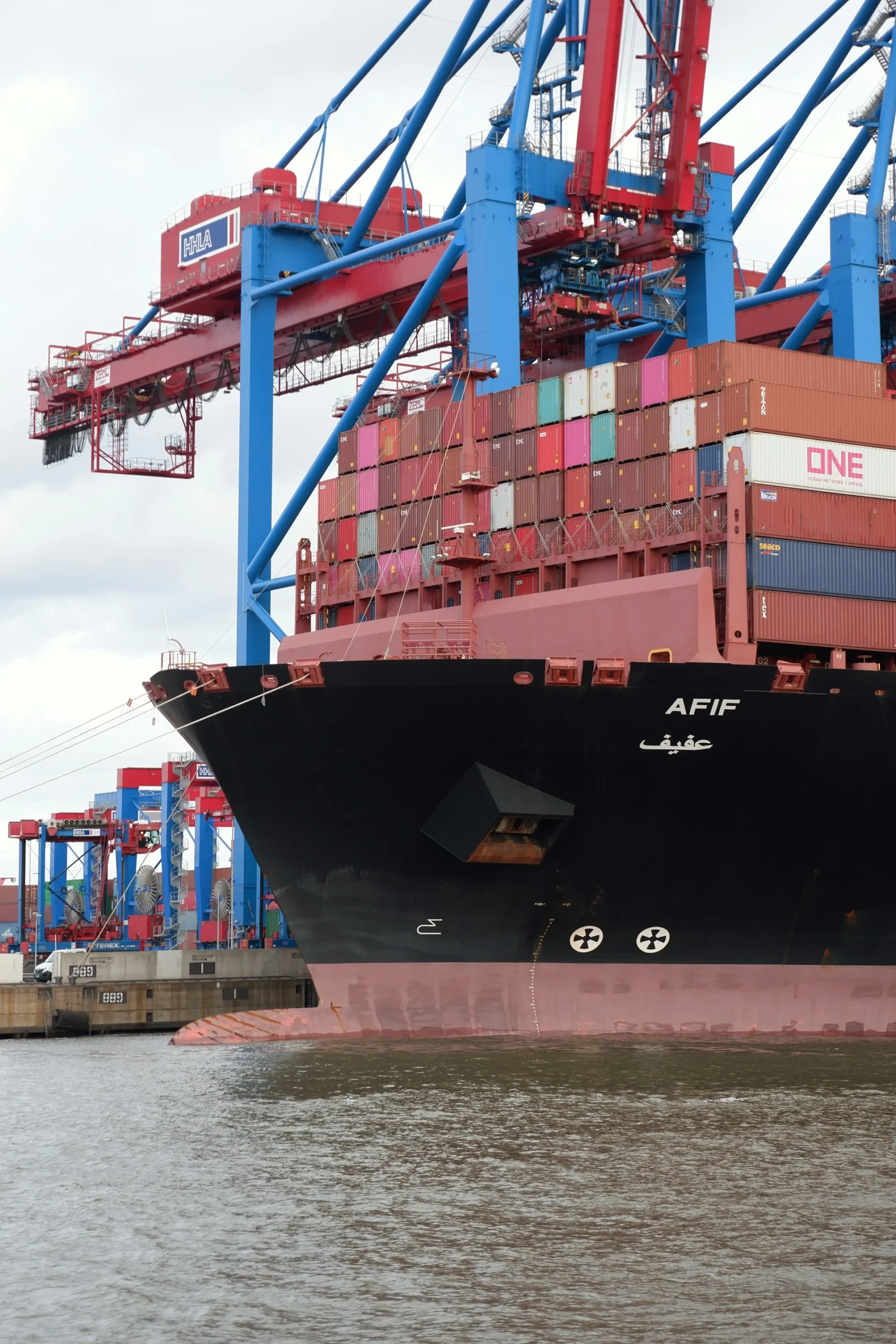
Best Shipping Option for This Route
- Air Freight: Fastest option. Vehicles typically arrive at Milan Malpensa Airport (MXP), which is Italy’s primary air cargo hub, or Rome Fiumicino (FCO) for central/southern Italy destinations. Best for urgent or high-value moves.
- Sea Freight: Direct Mediterranean routing from Jebel Ali. The Port of Genoa is the primary container and cargo hub for northern Italy. The Port of Naples serves central/southern Italy and the Amalfi Coast region. The Port of Livorno (Leghorn) handles vehicle and container cargo for Tuscany and central Italy. Container, shared container, and RoRo options available.
What we need for a quote:
- Vehicle make, model, and running condition
- Preferred timeframe and any fixed deadlines
- Shipping method preference (or guidance needed)
- UAE pickup/handover location
- Destination city or region in Italy
Shipping a Car from the UAE to Italy
The Dubai-to-Italy corridor is one of the most direct Mediterranean routes from the UAE, with vessels from Jebel Ali reaching Italian ports without the extended Atlantic or North Sea transit required for northern European destinations. Italy’s extensive Mediterranean coastline means vehicles can arrive at multiple entry points depending on the final destination: Genoa for Liguria and northern Italy (including Milan and Turin), Naples for Campania and southern Italy, and Livorno for Tuscany (including Florence) and central Italy.
On the UAE side, sea freight departs from Jebel Ali Port in Dubai or Zayed Port in Abu Dhabi. Air freight uses DXB, DWC, or AUH cargo facilities. Italy’s position at the centre of the Mediterranean means the sea route from Jebel Ali passes through the Suez Canal and enters Italian waters without needing to navigate the Strait of Gibraltar, making this one of the shorter sea freight corridors from the UAE to Europe.
Italy is an EU member state. Vehicles from outside the EU are subject to EU customs declaration, duties, and Italian-specific requirements including vehicle inspection (revisione), registration through the Motorizzazione Civile, and obtaining a Codice Fiscale (Italian tax identification number). The Codice Fiscale is required for virtually all administrative transactions in Italy, including vehicle registration, and must be obtained before the registration process can begin.
Air Freight or Sea Freight to Italy?
Air Freight to Italy
Air freight is chosen for urgent moves or high-value vehicles. Vehicles arrive at Milan Malpensa (MXP) for northern Italy or Rome Fiumicino (FCO) for central and southern Italy. MXP handles the largest air cargo volume in Italy and is well-equipped for vehicle freight processing.
Sea Freight to Italy
Sea freight is the primary method, with direct Mediterranean routing from Jebel Ali to Italian ports. The Suez Canal-to-Italy sea route is one of the shortest UAE-to-Europe corridors, meaning transit times are typically more favourable than routes to northern European ports. Container and RoRo handling infrastructure is well-established at Genoa, Naples, and Livorno.
Sea Freight Method Options
How Car Shipping from Dubai to Italy Works
Quote & Route Planning
We review your vehicle details, preferred method, Italian destination, and timeline. For this corridor, we also confirm whether you have an Italian Codice Fiscale (required for vehicle registration) and whether the vehicle will need omologazione (type approval) for Italian road use. The destination city determines the optimal arrival port: Genoa for the north, Naples for the south, or Livorno for Tuscany.
Vehicle Handover & UAE Export Preparation
Your vehicle is handed over at a designated UAE facility or collected. Sea freight typically involves Jebel Ali Port; air freight uses the departure airport. Vehicle preparation guidance is provided, including fuel level requirements and removal of loose items.
UAE Export Documentation & Clearance
UAE-side export procedures are completed: Bill of Lading (sea) or Air Waybill (air), ownership verification, and export clearances. Requirements may vary by emirate.
Loading, Securing & Departure
The vehicle is loaded according to the chosen method. Shipping lines may require specific documentation confirming the fuel tank is empty and the battery is disconnected before accepting vehicle cargo. This is coordinated during the loading stage.
Transit & Milestone Updates
Milestone-based updates at key stages. Sea freight from Jebel Ali to Italian ports routes through the Suez Canal directly into the Mediterranean, reaching Genoa, Naples, or Livorno without transiting the Strait of Gibraltar. This direct routing typically makes Italy one of the shorter sea freight corridors from the UAE to Europe.
Italian Arrival: Customs, Omologazione & Registration
On arrival at the Italian port or airport, the vehicle enters EU customs. After customs clearance, Italian-specific regulatory steps apply:
- EU Customs Declaration: Duties and IVA (Imposta sul Valore Aggiunto, Italy’s 22% VAT) are assessed on the declared vehicle value plus shipping costs. Because vehicles inherently carry a higher risk of customs inspection at Italian ports, thorough documentation preparation is essential.
- Codice Fiscale: Every individual or entity involved in the registration process must hold an Italian Codice Fiscale (tax identification number). For foreign nationals, this can be obtained from an Italian consulate abroad or from the Agenzia delle Entrate (Italian Revenue Agency) once in Italy. This is a prerequisite for all subsequent steps.
- Omologazione (Type Approval): GCC-specification vehicles without EU type approval require individual omologazione through the Motorizzazione Civile (MCTC — the Italian vehicle authority). This involves technical assessment of the vehicle’s compliance with EU and Italian standards, including lighting, emissions, safety systems, and noise levels. Modifications to GCC-spec headlamps, speedometer, or emissions components may be required.
- Revisione (Vehicle Inspection): Italy’s mandatory periodic vehicle inspection, conducted at authorised inspection centres (centri di revisione). The vehicle must pass revisione before it can be registered for road use.
- IPT (Imposta Provinciale di Trascrizione): A provincial registration tax charged when the vehicle is registered with the PRA (Pubblico Registro Automobilistico — Italy’s public vehicle register). IPT rates are set at provincial level and can vary.
- Carta di Circolazione: The Italian vehicle registration document, issued after omologazione, revisione, and PRA registration are complete. This is the document you need to legally drive the vehicle on Italian roads.
Our team provides guidance on these steps and can coordinate with Italian clearing agents, Motorizzazione offices, and inspection centres as needed.
Documents & Customs for Dubai-to-Italy Shipments
UAE Export Side
- Vehicle registration card or title
- Passport copy of the registered owner
- Bill of Lading (sea) or Air Waybill (air)
- Commercial invoice or proof of value
- UAE export clearance paperwork (varies by emirate)
- Shipping line attestation confirming fuel tank is empty and battery disconnected
Italian Import Side
- EU customs declaration: Duties and 22% IVA on CIF value
- Codice Fiscale: Italian tax ID number — mandatory for vehicle registration. Foreign nationals may need to obtain this before or upon arrival.
- Omologazione certificate: Individual type approval from the Motorizzazione Civile for non-EU-type-approved vehicles
- Revisione certificate: Passed vehicle inspection from an authorised centro di revisione
- PRA registration and IPT: Vehicle recorded in the Pubblico Registro Automobilistico with provincial registration tax (IPT) settled
- Carta di Circolazione: Italian registration document issued upon completion of all steps
- Valid Italian motor insurance (assicurazione RC auto): Must be in place before the vehicle can be driven on Italian roads
Forms may vary by customs office, and some offices may require additional documentation. Italian customs inspection risk is higher for vehicle shipments than for household goods. Thorough document preparation before shipping significantly reduces delay risk.
UAE Departure & Italian Arrival Points
UAE Departure
- Sea: Jebel Ali Port (Dubai) or Zayed Port (Abu Dhabi)
- Air: DXB, DWC (Dubai), or AUH (Abu Dhabi)
Italian Arrival
- Sea: Port of Genoa — Italy’s largest port by cargo volume, primary hub for Liguria, Lombardy (Milan), Piedmont (Turin), and northern Italy
- Sea: Port of Naples — serves Campania, southern Italy, and the Amalfi Coast region
- Sea: Port of Livorno (Leghorn) — serves Tuscany (Florence, Pisa) and central Italy. Also handles significant vehicle RoRo traffic
- Air: Milan Malpensa (MXP) — Italy’s primary air cargo hub
- Air: Rome Fiumicino (FCO) — central/southern Italy air cargo
Sea freight from the UAE to Italy routes through the Suez Canal directly into the Mediterranean. Italian ports are reached without navigating the Strait of Gibraltar, making this among the shorter sea corridors from Jebel Ali to Europe. Transit times to Genoa or Naples are typically faster than equivalent routes to Atlantic or North Sea ports. Compare Transit Times
Vehicle Eligibility for Shipping to Italy
Luxury and performance vehicles
Heavily represented on this corridor. Italy’s supercar heritage (Ferrari, Lamborghini, Maserati, Pagani) means GCC owners often ship Italian-marque vehicles back to Italy for driving experiences, events, or seasonal use along the coast. Container methods preferred for high-value vehicles.
GCC-specification vehicles
Will require omologazione through the Motorizzazione Civile. Common modification areas: headlamps, emissions, speedometer, noise levels. Shipping lines may require specific pre-shipping documentation for vehicles.
Classic and vintage vehicles
Container shipping recommended. Italy has a strong classic car culture, and vehicles may qualify for specific historic status (veicolo storico) affecting inspection and registration treatment.
Electric vehicles
Subject to carrier battery regulations. Lithium batteries face specific restrictions for both air and sea shipments.
Financed or leased vehicles
Lender authorisation required before UAE export.
Event vehicles
Cars shipped for Italian driving events (Mille Miglia, classic rallies, track days) may qualify for temporary import arrangements.
Tracking Updates, Vehicle Safety & Insurance
Tracking & Communication
Milestone-based updates: UAE departure, transit, Italian port/airport arrival, customs clearance status.
Vehicle Safety
Condition notes or photographs at handover where available. Container shipments provide enclosed protection. Because shipping a vehicle inherently increases the risk of customs inspection, thorough pre-shipment documentation is especially important.
Insurance
Marine or air cargo insurance available for the shipping leg. Italian motor insurance (assicurazione RC auto) must be separately arranged before the vehicle can be driven on Italian roads after registration.
Read Insurance GuideWhat Shapes Your Dubai-to-Italy Quote
Each shipment is quoted individually. Factors for this corridor:
- Shipping method: Air, dedicated container, shared container, or RoRo.
- Vehicle dimensions and weight.
- Italian arrival port: Genoa (north), Naples (south), or Livorno (Tuscany) — each serves a different region.
- Service scope: Port-to-port versus UAE pickup and/or Italian inland delivery.
- Insurance: Coverage for the shipping leg.
- Timing and seasonality: Vessel frequency and peak periods. Event-driven shipments (rallies, driving season) may require advance planning.
- Omologazione and Motorizzazione requirements: GCC-spec vehicles needing type approval involve additional coordination and timeline.
- Codice Fiscale status: Whether the owner already has an Italian tax ID or needs to obtain one as part of the import process.
Dubai-to-Italy Car Shipping FAQs
1. How long does it take to ship a car from Dubai to Italy?
Italy benefits from direct Mediterranean routing via the Suez Canal, making sea freight transit generally shorter than routes to northern European ports. Air freight via MXP or FCO is measured in days. After arrival, customs clearance, omologazione (if needed), and registration add time.
2. Can I import a car from Dubai to Italy?
Yes. Vehicles can be imported from the UAE to Italy. The process involves UAE export clearance, EU customs declaration in Italy, payment of duties and 22% IVA, and Italian-specific registration steps including omologazione, revisione, and PRA registration. A Codice Fiscale is required to complete the process.
3. What is a Codice Fiscale and do I need one?
The Codice Fiscale is Italy’s tax identification number, required for virtually all administrative transactions including vehicle registration. Foreign nationals can obtain one from an Italian consulate or from the Agenzia delle Entrate in Italy. You must have a Codice Fiscale before registering a vehicle with the Motorizzazione Civile.
4. Which Italian port will my car arrive at?
For sea freight, Genoa serves northern Italy (Milan, Turin), Naples serves southern Italy and the Amalfi Coast, and Livorno serves Tuscany (Florence). Air cargo arrives at Milan Malpensa (MXP) or Rome Fiumicino (FCO). Port selection depends on vessel routing and your final destination.
5. Will my UAE-spec car need modifications for Italy?
Most likely. GCC-specification vehicles commonly require omologazione through the Motorizzazione Civile to meet EU and Italian standards. Typical modification areas include headlamp alignment, emissions compliance, speedometer calibration, and noise levels. Specialist Italian garages can arrange modifications before the inspection.
6. What is the IPT registration tax?
IPT (Imposta Provinciale di Trascrizione) is a provincial registration tax charged when the vehicle is recorded in the PRA (Pubblico Registro Automobilistico). IPT rates are set at the provincial level, so the amount may vary depending on which province the vehicle is registered in.
7. Can I ship a car to Italy for a driving event?
Yes. Vehicles shipped for Italian driving events (such as classic rallies, track experiences, or seasonal use) may qualify for temporary import arrangements, avoiding the full permanent registration process. Conditions and documentation vary, so this should be confirmed during planning.
8. Do Italian shipping lines have special vehicle requirements?
Yes. Shipping lines may require specific attestation confirming the fuel tank is empty and the battery has been disconnected. Not all lines accept vehicle cargo, and approvals may be needed before loading. This is coordinated during the planning and handover stages.
9. Can I ship personal items inside the car?
This varies by method and route. Certain items face specific restrictions for both air and sea shipments. Confirm during planning.
10. What if my car is delayed in Italian customs?
Vehicles inherently carry a higher risk of customs inspection at Italian ports. Delays can occur due to documentation reviews or compliance checks. Thorough document preparation before shipping significantly reduces this risk. Our team coordinates with Italian clearing agents.
Get Your Dubai-to-Italy Shipping Quote
Ready to ship your vehicle from Dubai to Italy? Share your origin location in the UAE, vehicle make and model, running condition, destination city or region in Italy, and preferred timeframe. Let us know if you have an Italian Codice Fiscale and whether the vehicle is intended for permanent registration or temporary use. Our team will provide a corridor-specific quote with method options, port selection guidance, and Italian regulatory support.
Request Your Quote